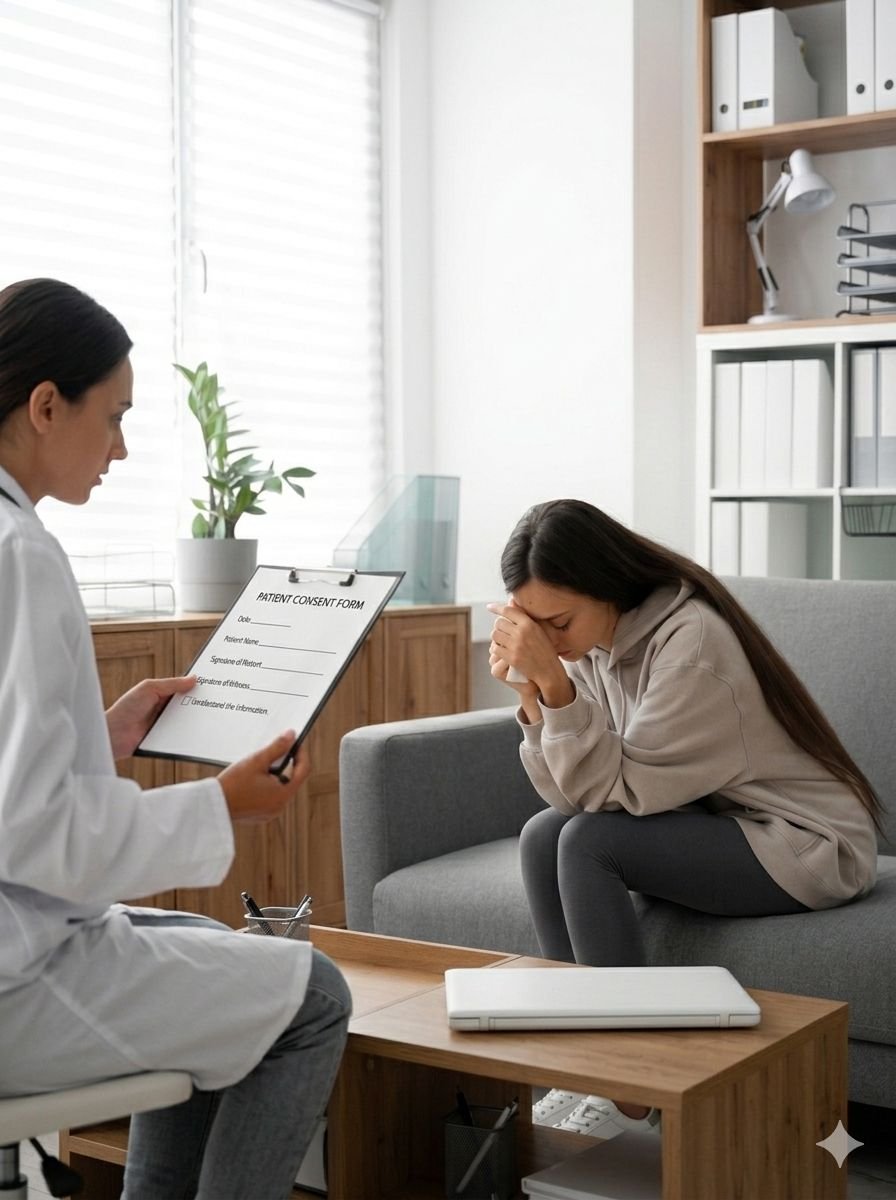

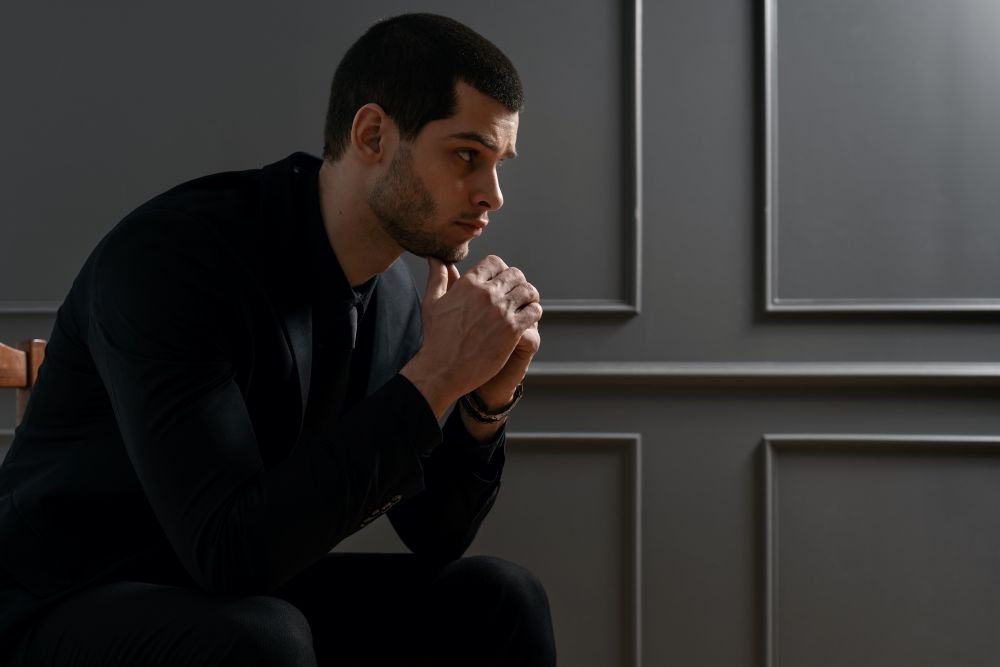
As men how many of us have had the experience of being asked in the middle of a heated conversation with a partner “what do you feel?”….“what’s right for you?”
And drawing a blank when trying to find an answer.
What women are asking us to find is the knowing that lies underneath thinking. The knowing that resides in our bodies and in our emotions.
Many men do not know where to look for this form of truth. It’s like it exists somewhere out in the Bermuda triangle.
What do you feel? Is not a question we can answer with thoughts and thinking not matter how hard we may try or stammer.
As men many of us were raised in a context that linked male feeling with weakness. On the soccer field if a knee was skinned we learned to “suck it up”. To hold our breath, not show the hurt or tears that are a natural response to pain. We may have been told that “ big boys don’t cry” if we returned home from school upset at being mistreated by peers.
Over time many men learn to habitually not show what they are feeling. To disown emotions like sadness, fear, or anger and the tender side of the love and care we have for others. Riding into the sunset, like the Marlboro man on a well learned stoicism and invulnerability.
The problem is human beings, as social mammals, communicate important cues of safety and connection through emotion. Underneath thinking, emotions are the action programs that help us to stay close to the people we love, access the subjective truth of our knowing, and protect those we care for.
In our culture Women receive different messages about feeling. Feeling is welcomed and perceived as a heathy feminine trait. Moreover emotion and feeling is largely processed by the brain’s right hemisphere which I often call the “Body Brain”
For many women the connection to this body based knowing is strengthened through mensuration and pregnancy. Women are forced to inhabit their bodies in ways that men are not. They learn to read the body’s emotional signals more clearly.
In contrast many men don’t truly inhabit the body, but use it more like like a vehicle to get from point A to point B. For doing things like climbing a ladder or going for a hike. Because we may have cut-off access to our own feeling we can find ourselves looking to women and sexuality as a means of feeling something . Feeling is how we connect to each other as human beings, to nature and to ourselves . Without access to feelings and emotion we can become isolated and disconnected from our own experience. Living in our thoughts with little access to our felt experience.
There is a deeper malignancy that comes out of the culturally learned disavowal of men’s emotional lives. Just because we don’t express anger or sadness does not mean that we don’t have any inside us. The divisions exposed in Donald Trump’s America show us how unacknowledged, unattended anger can fuel the destructive projections that get placed onto the shoulders of others. People of different colour or different values.
Healthy anger is a boundary against violation. it is meant to have us protect what we care for. It is not meant to project and place our pain onto the face of others. As men, we are being asked to take a new kind of leadership in our lives. To enter into the places where outdated emotional scripts were laid down and pull out the weeds so that something new can grow
Same is true when it comes to our sexuality. Lust, the healthy movement toward an attractive other, is a primary emotional drive. It connects us to some of the deepest sharing and strongest feelings within the human experience. Literally where pleasure and creation mix. Sexuality involves big energy and vulnerability, and often brings forth unexplored and unhealed aspects of our past. In the absence of mature male emotional development, power and secrecy will fuel distortions like those exhibited by Harvey Wienstien, Jeffrey Epstein and others like them.
I believe it’s time we turn as men toward the disowned aspects of our emotional past. Turn toward the healing work that allows us to be more present with our partners, our children and ourselves.
This means gathering skills that allow us as men to engage with difficulty in healthier ways. To embrace change when we feel stuck, to ask for help when we need support. Bringing opportunities to rewrite the hidden scripts that can leave us cut of from feeling and stuck in reactive patterns.
Healthy emotional expression is a learnable skill. It takes a willingness to look at ourselves clearly and the practice of bringing attention to the information offered up to us by our body and our felt experience.
Turning toward our feelings and acting on what they communicate means coming into a new alignment. So when our partners ask “what do you want?” …….We can answer with an authenticity that many women wish to hear. Whether they agree or not with our choices. They can feel our truth.