

Welcome to WordPress. This is your first post. Edit or delete it, then start writing!
What can I expect, As This is the first time I have met with a counsellor?

Welcome to WordPress. This is your first post. Edit or delete it, then start writing!
The world does not promise us ease and convenience. In fact we appear to have entered a period of increased turbulence with geopolitical tensions, AI upheavals and widespread climate disruptions. How do we stay steady and grounded in the face of uncertainty and change?
Part of what happens in therapeutic work is that we touch difficulty from the past and realize it can be held in a new way. We learn to access the muscles in our body that remind us of our strength and capacities. We listen to find the voice of our own wisdom and by doing so learn to speak our truth to others even if it may not be what they wish to hear.
We build resilience by building resources: re-sources are forms of goodness that reconnect us back to ourselves. A walk in Nature, a friend or partner we can talk to, the feeling of our feet contacting the earth. When we learn to embody these resources our system will feel more balanced, giving us a new grounded foundation to live from in times of change. Less do we find ourselves defaulting to survival strategies. We become more resilient and connected to Self.
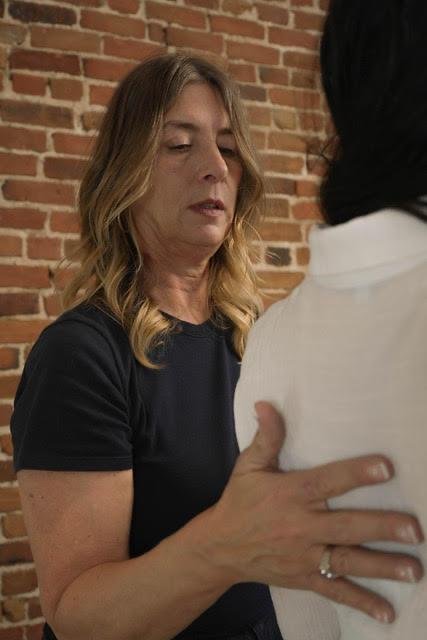
– Yogita works with vibration, sound and alignment in the body to help clients access an embodied sense of self. This work is called in French “Chant Postural”
– Richard’s book
The Climate Within Us offers somatic tools and self-understanding plus stories and science to support greater resilience in times of uncertainty and change. When we discover our ground and steadiness in the face of challenge new capacities become available. We act in support of our values and turn toward others in shared purpose. As co-founder of BC’s Youth Climate Corps Richard explores what it means to source leadership from the inside-out while we stay connected to self and others.

Our intimate partnerships can be a source of stability, love and connection that positively influences all aspects of our lives. Yet for many, after the initial “happy-ever-after” stage of relationship, couples experience repeated episodes of turbulence and disconnection. In healthy partnerships, couples find ways to turn toward these difficulties as allies and learn together how to unhook from the relational scripts each has inherited from the past.
As couples therapists we are here to help you shift from reacting to each other based upon unconscious triggers to a place where you are able to shift perspectives and choose instead to become partners in the healing process. Bringing a new found capacity to listen and reflect, create safety and reach-out for the opportunities for connection. Becoming allies in this way enhances intimacy and spurs deeper self-understanding. Allowing you to sensewhat’s being communicated underneath the words so that a new relational space can emerge for something different to happen.

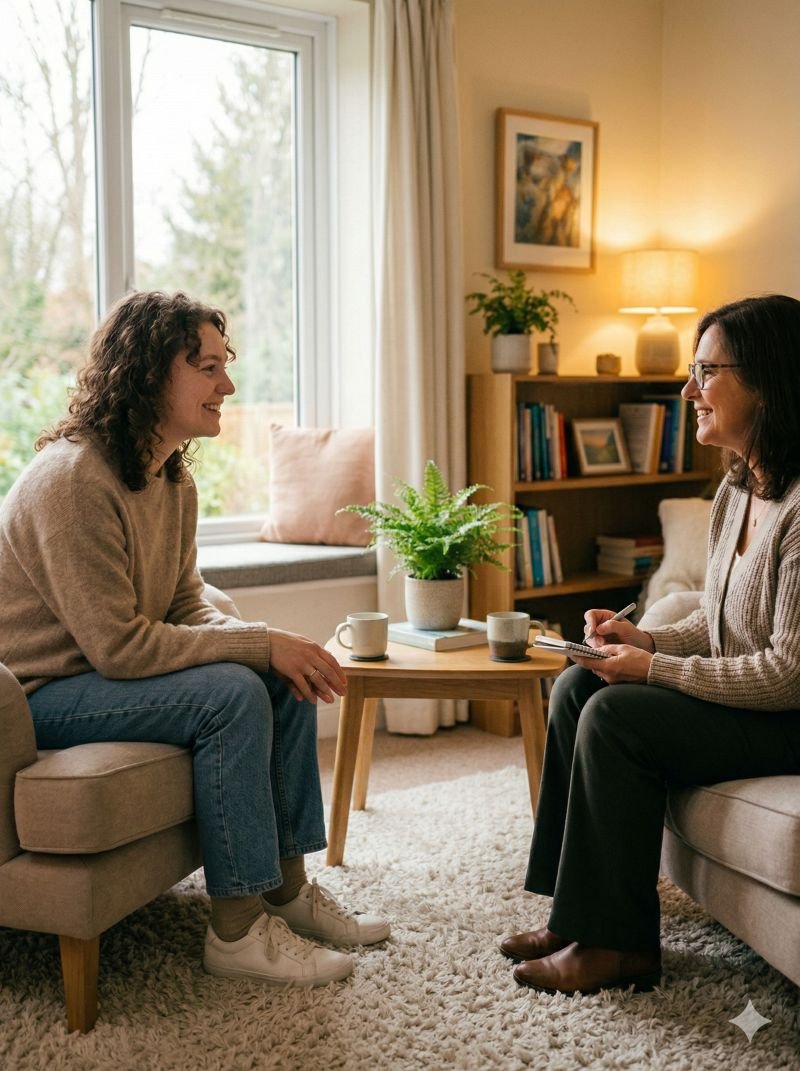
We seek counsel when we are looking to gain perspective and find support in navigating life’s difficulties. Counselling is often the beginning of a process of growth and self discovery. It may be the first step in turning toward early life experiences that have shaped how you show up for yourself and others. Counselling encompasses different modalities. We specialize in building bridges between understanding and the awareness carried in the body itself from the past. So that you can experience renewed agency, empowerment and live with more freedom in the present.

The need for safety goes way back to our development. As infants each of us was dependent upon the care provided by mom and dad . As Infants we had needs for shelter, warmth and nourishment, as well as needs for connection, and attunement from responsive caregivers. At times those needs may not have been fully met. Perhaps parents were busy and pre-occupied. There may have been alcohol and abuse. In many families the struggle of making ends meet leaves parents stressed and less able to tune in to their children. None of this is to blame parents, but to acknowledge the salient fact that as human beings our hurts, joys and difficulties often come out of relationship. And it is in a supportive therapeutic relationship that old scripts are updated and revised. The relational attunement joining client and therapist becomes the foundation for change and healing.
Yogita and Richard both approach trauma resolution in a similar way by prioritizing Safety & Resources along with Dosage & Repair.
Resolution involves bringing together what has been isolated somatically, compartmentalized from the past. When this happens the truth held in our bodies aligns with updated beliefs and new awareness. What we express to others on the outside matches what we feel on the inside. We come to make sense of things in a new way.
Signs and Symptoms of trauma: ( and not limited to )
In a culture like ours we are schooled to operate out of left hemisphere rational understanding: This has given rise to our science, technology and many features of the modern world. It has also left many cut off from the information carried by the right hemisphere “body brain” that helps us access relational cues, tune-in to emotions, and feel what is happening in our inner world. Somatic Therapy links understanding to the felt experience of being who we are
Somatic therapy is a process that moves us in the direction of greater integration and wholeness. Clients gather a broader, more inclusive understanding of how life events, relationships, and the joys and difficulties of our human experience have all had impact, and contribute to a particular way of being in the world. Integration involves bringing together what has been held separate, compartmentalized from the past. The truth held in our bodies is welcomed back so what we express to others on the outside matches what we feel on the inside. In therapeutic counselling we update old narratives so that they more closely match our lived experience, bringing into greater coherence past and present, mind and body . We come to make sense of things in a new way.

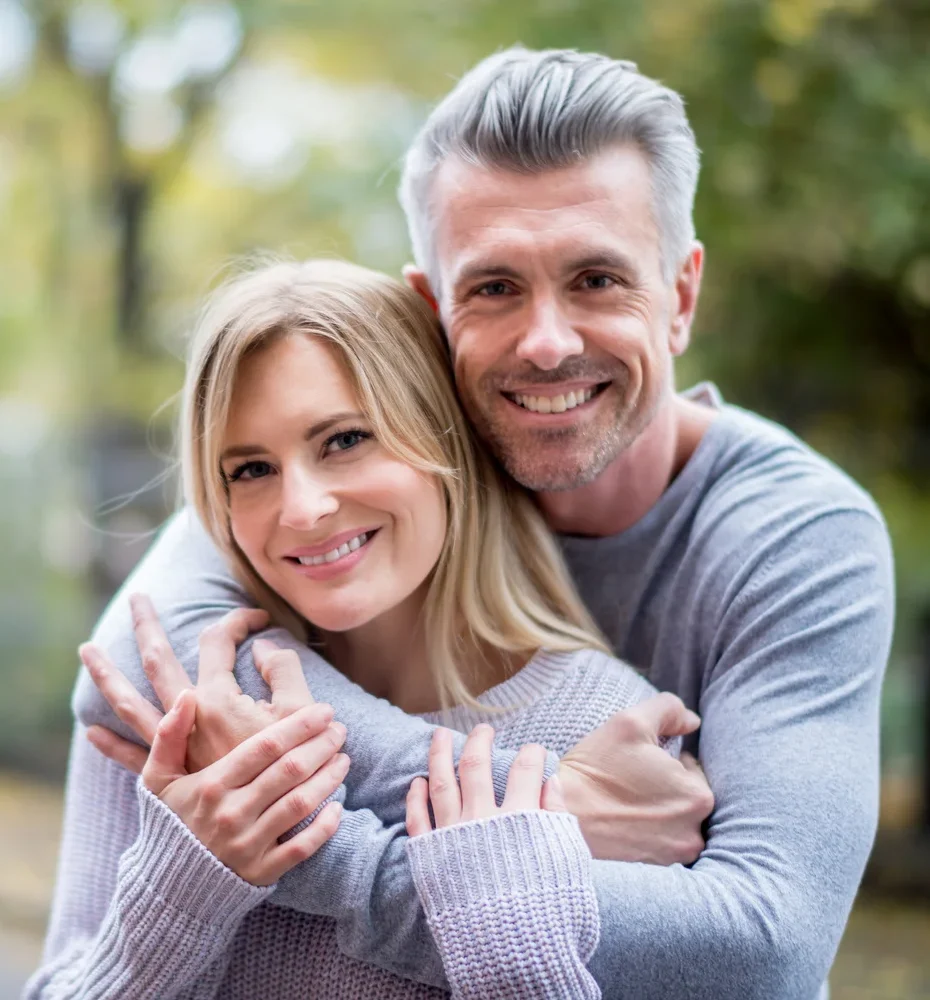
Our intimate partnerships can be a source of stability, love and connection that positively influences all aspects of our lives. Yet for many, after the initial “happy-ever-after” stage of the relationship, couples experience repeated episodes of turbulence and disconnection. In healthy partnerships, couples find ways to turn toward these difficulties as allies and learn together how to unhook from the relational scripts each has inherited from the past.
As a couples therapist i am here to help you shift from reacting to each other based upon unconscious triggers inherited the past, to a place where you are able to shift perspectives and choose instead to become partners in the healing process. Bringing a newfound capacity to listen and reflect, create safety and reach for the opportunities to connect to self and other. Becoming allies in this way spurs deeper self-understanding, enhances intimacy and upgrades the software each has inherited from the past.
In couples work as therapists our primary job is to create tangible support for each of you. So that both partners feel like “I’ve got your back”. In truth, as therapists, we are on the side of the relationship – which is enhanced by opportunities for new learning, deeper listening and renewed connection. A mindful quality of noticing is encouraged so that couples can become aware of what’s being communicated underneath the words so that a new relational space can emerge for something different to happen.
Created by Elisabeth Baile | Offered by Yogita
Highlight:
A unique approach developed by Elisabeth Baile in France to harness our inner power, our capacity to ground into our body and tap into aspects of ourselves that are often hidden. We go from thinking we are present to experiencing profound presence. A tool that once learned can be used and applied easily into our lives.
A very empowering method of resourcing ourselves into our empowered self.
Using voice ( not experience or nice voice needed).
Using a precise posture.
A tool to come back IN the body and out of the mind.
Resource to access a more embodied, grounded, aligned self.
A tool to take responsibility for ourselves and our life.
Accelerate our capacity to grow and be rooted in ourselves.
Richard works with youth and people of all ages to build greater internal resilience to threats like the climate crisis that leave many feeling anxious, disempowered and shut-down.
Signs and Symptoms of trauma
Here are name of few things that could be possible to experience
These can happen more early on and not limited to:
Hyperactivity, Hypervigilance, Flashbacks, Nightmares and night terrors, Abrupt rage, temper tantrums, crying, Shame.
Then we can experience and not limited to:
Feeling spaced out, Addictive behaviors, Panic attacks, anxiety, Forgetfullness, Fear of dying, etc.
Eventually it can go to:
Lack of emotional response, Low energy, Various physical disorders such as chronic fatigue, immune system problems, digestive issues etc. Feeling impending doom, Isolation, etc.
Contrary to one time traumatic events like car accidents, early developmental trauma occurs when disruptive events happened repeatedly in childhood while nervous system and emotional development was unfolding.
One of the signatures of Trauma is that the past and present become blurred together and we can feel like the disruptive past is still happening now….. out of our control.
Safety is key. Without establishing a felt sense of safety our nervous system does NOT know that disruptive past events are over and cannot find new ways to re-wire in the present.
Yogita does not push the process but honors the body brain- body wisdom inherent in each client that lays the foundation for healthy change.
Her methods are based on the latest in neuro-biology and informed by the teachings of Bodynamic International and Taryn Prodan’s
SRDR method. This is a deeply resourcing system that works with muscles, bones, tissues and the character structures that guide development in the absence of important needs being met in healthy ways. I work with shock, complex PTSD and developmental Trauma.
Resources: Re-sources bring safety to the body. This is a skill we develop. We may already have resources and we learn to embody them so the whole system feels stronger and more capable. This gives us a grounded foundation to work from. We can have external resources like a friend or partner, or a walk in nature. And we learn to create internal ones as well so default survival systems take over less and less.
Dosage:Trauma is the experience of events happening “too fast, too much, too soon” for a young nervous system. Often we just want to get rid of what we feel or what is so painful. Dosing means we bite size the experience so we can move THROUGH what is needed and create safety in a way that does not overwhelm the system. This is an important part of healing trauma allowing us to go from past into present time awareness. You learn to slow things down so healing can occur.
When we do this we create the conditions for Repair: When we bring safety, add resources and dose the trauma intensity appropriately the Nervous System WILL repair. Things will begin to feel different in a good way. We cannot change the disruptive past but we can change the way it is held in the body and nervous system. With repair new choices become available, new perspectives can be held and hope and freedom return.

Trauma Resolution and Early Developmental Trauma through this SRDR method by Taryn Prodan offered by Yogita
Key highlights: A safe, profound way of working with trauma through the body. Trauma is often felt in eternal time. It’s at times as if it is still happening now. And we feel it is out of our control. When we safely address aspects of the past we can emerge feeling free, stronger and more aligned with our ability to create our own life and not be led by the past events and by the ways we coped.
is key and first, without establishing safety over and over our nervous system does NOT know that past events are over and cannot find new ways to re-wire in the present time. This helps us feel like we can take charge of our own nervous system versus feeling like we have no control. This supports the body to feel less triggered and slow us down so we can have more choice.
This is a skill we learn, already we may have resources but we learn to embody them so the whole system feels resourced, it gives us a grounded foundation to work from and stay safe enough. We can have external resources like a friend or partner, walking in nature. And we learn to create internal one so the default systems take over less and less.
Trauma is too much too fast too soon, and so often we just want to get rid of what we feel or what is so painful, that makes sense as trauma WAS too much and who wants to feel pain, old or present time pain. Dosing means we bite size the experience so we can move THROUGH what is needed in a way that does not overwhelm the system. This is an important part of healing trauma and to go from past into present time awareness. You learn what is too much as often trauma is too much too fast too soon. Here you regain agency and learn to slow things down so healing can occur.
If we create safety, we have added resources and our Nervous System feels it, we dose the trauma or issue enough. The Nervous System WILL repair. Something will feel different in a good way. If we miss the first few steps the whole system will not create a deep neurological repair. We cannot change the past but we can stop it from coming into the present and lead us ….When we repair we have choice, new perspectives and a sense of hope and freedom can be felt.
A powerful approach to somatic therapy created by Mariah Moser.
This approach focuses on relational and somatic approaches, brings leading-edge information in neurobiology, trauma renegotiation and attachment work. Bringing kind observation and presence to what often was either implicit (unknown) and unbearable.
We seek counsel when we are looking for perspective and support in navigating life’s difficulties. Seeking out counselling is often the beginning of a process of growth and self-discovery. may be the first step in turning toward early life trauma. It mayThis is a board term to describe a professional, confidential therapy. Many various modalities can be offered. We specialize in more body based somatic work and the focus is to bring back agency, empowerment and release old places within what we call the body brain implicit parts of us so we can not only be free of the past and live NOW with more freedom.
Leave a Reply